01
Time and direction
Tempo and rubato as movement, breath and energy within the phrase.
Performance & Research
Between the score, tradition, context and sound lie decisions that the performer must hear, shape and take responsibility for.
Observe · compare · analyse · verify.
Six areas
Six concrete questions for making an interpretative decision audible.
Tempo and rubato as movement, breath and energy within the phrase.
Dynamics and timbre create hierarchy, distance, density and depth.
Climaxes, transitions and repose are organised to sustain direction and balance.
Attack, connection and resonance change the way a phrase speaks.
Distinguish decision from habit, intensity from excess, and risk from mere insecurity.
History, analysis and intention can guide without closing down the performer’s freedom.
Research from practice
A specific sounding realisation opens a cycle of observation and comparison.
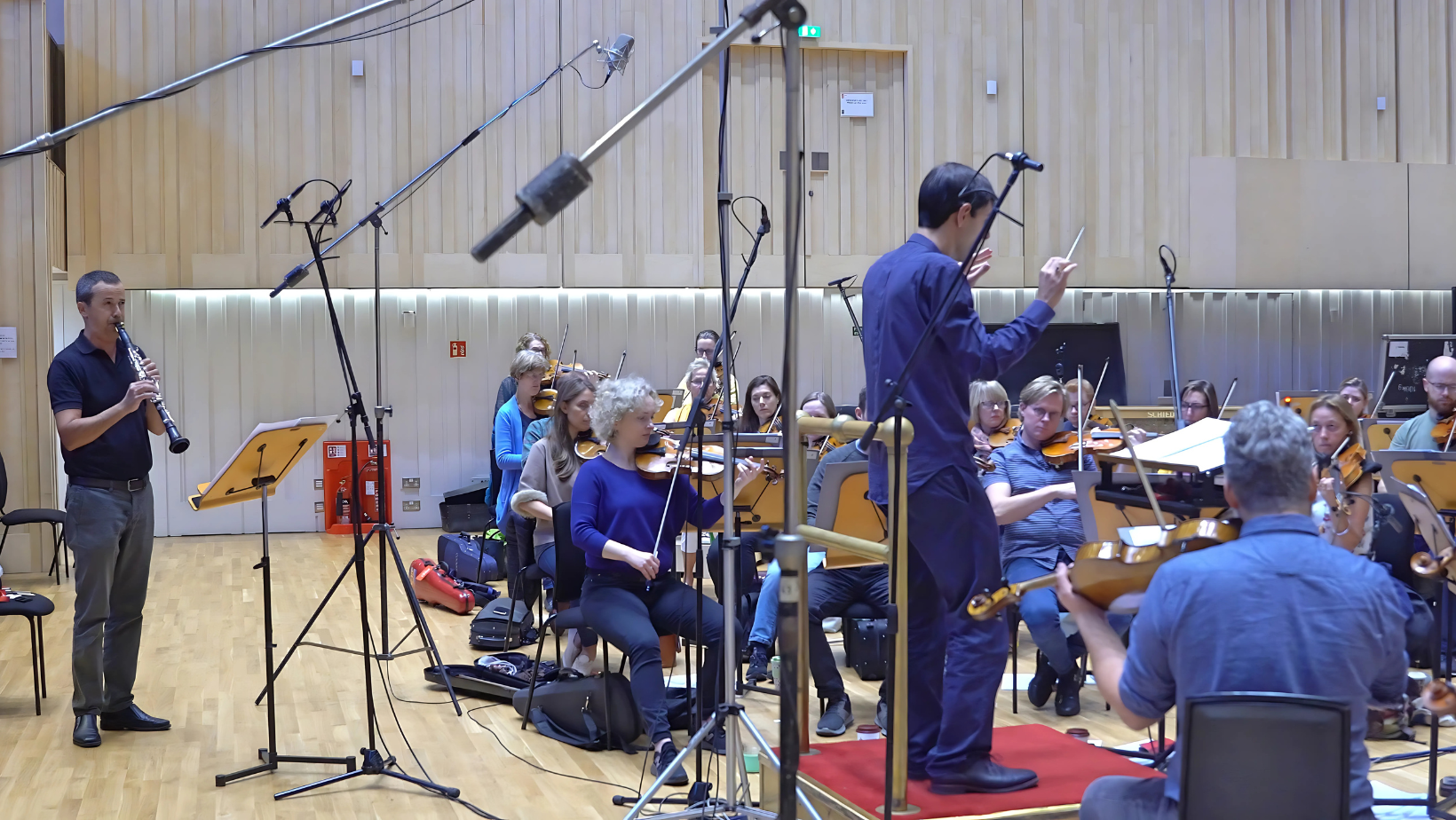
Begin with a sounding realisation and describe what is happening.
Compare versions, alternatives or sources and isolate audible differences.
Relate the result to score, context, structure and intention.
Test in practice whether the criterion holds in sound.
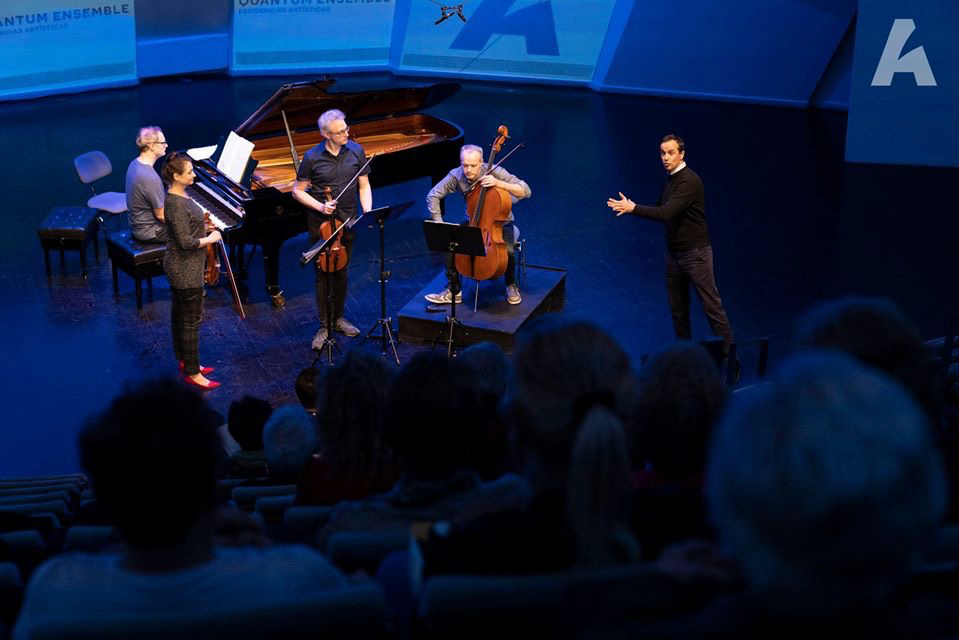
Lines of enquiry
Selected research
From framework to pedagogy
A work, a phrasing problem or preparation for a performance turns these questions into pedagogical work.
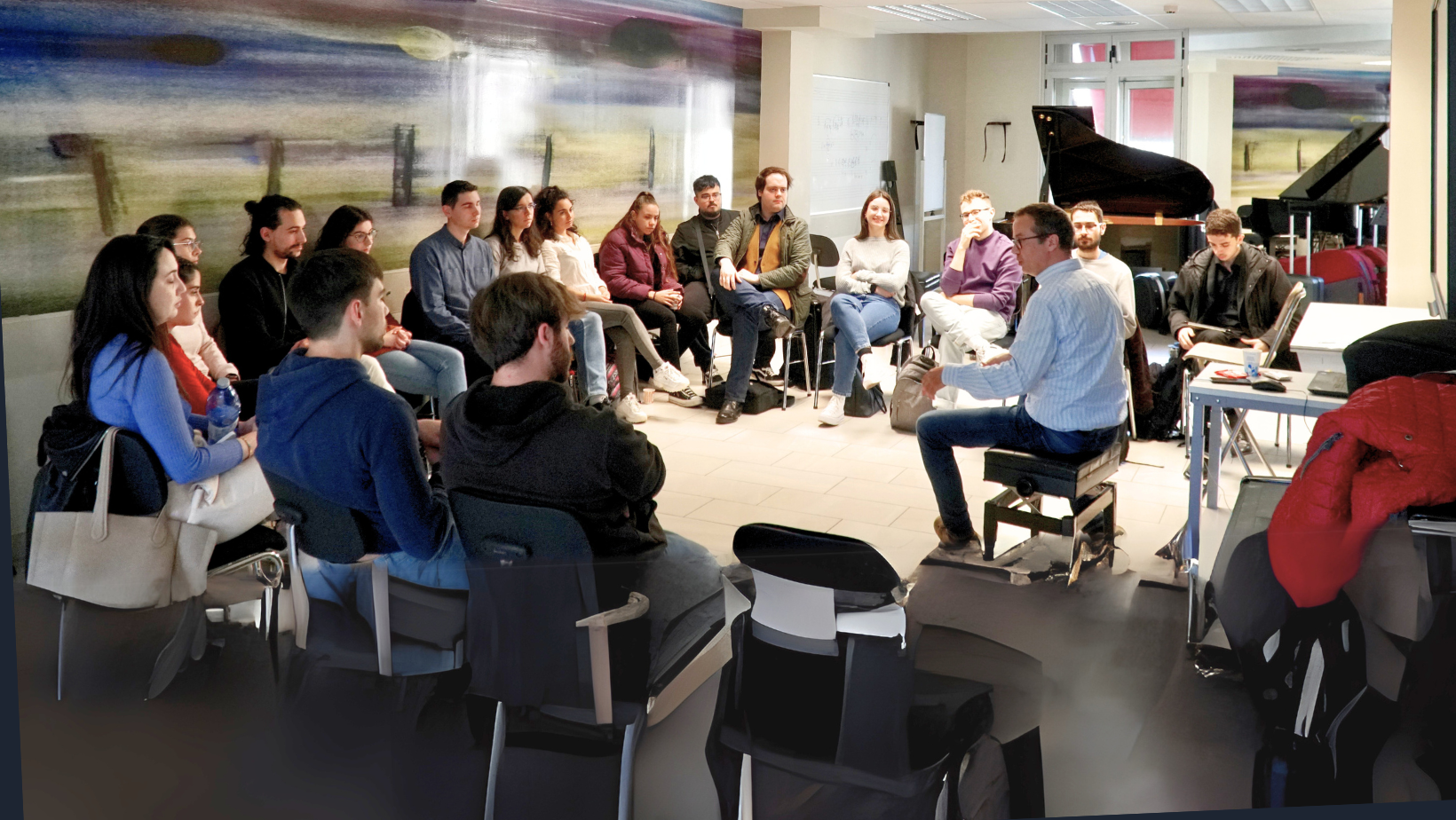
Collaborations
Projects with conservatoires, universities, higher-education institutions and arts organisations.
Discuss an institutional collaboration→ [email protected]